

BLOG
Recipes, Announcements and More
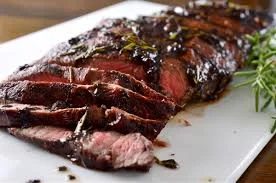
Flat Iron Steak: Easy. Beautiful. Delicious.
Perfect grilled or pan broiled, it has an easy-to-cook uniform thickness, even marbling, and rich flavor.
The Flat Iron cut comes from the shoulder or chuck of the steer in the front quarter. Getting its name from the shape it takes when it’s cut into steaks, it sits right on top of the shoulder blade, opposite the mock tender. This steak was ignored for years because of a piece of connective tissue that ran through its center. But remove that tissue, to separate the roast into two distinct steak cuts, and the Flat Iron Steak was born. Perfect grilled or pan broiled, it has an easy-to-cook uniform thickness, even marbling, and rich flavor.
Ingredients for Restaurant Quality Flat Iron Steak
2 pounds of Flat Iron Steak
2 ½ TBSP olive oil
2 cloves garlic, minced
1 tsp fresh parsley, chopped
¼ tsp fresh rosemary, chopped
½ tsp fresh chives, chopped
¼ cup Cabernet Sauvignon
½ tsp salt
¾ tsp ground black pepper
¼ tsp dry mustard powder
Preparation
In small bowl, stir together olive oil, garlic, parsley, rosemary, chives, Cabernet, salt, pepper, and mustard powder. Place steak in a re-sealable bag and pour mixture over steak, thoroughly coating it. Press air out of the bag, zip, and marinate in the refrigerator for 2-3 hours.
Heat a non-stick skillet over medium-high heat. Cook the steaks in the skillet for 3-4 minutes each side, or to desired doneness, 135 degrees F (57 degrees C) for medium-rare, at which the steaks taste best. Discard marinade, and let stand 5 minutes to keep in juices before serving. Your guests will rave and accuse you of bringing in takeout to pass off as your own.
Get Inspired This Month In The Kitchen.

Let's Talk About Teres Major
Industrial meat cutters almost never undertake separating the Teres Major, so they’ve become the purview of artisanal butchers who take the time to cut them out carefully.
Also known as the Mock Tender, the Teres Major steak is from a small muscle from the chuck roll in the front quarter of the steer. It has also become known as the shoulder tender. Industrial meat cutters almost never undertake separating the Teres Major, so they’ve become the purview of artisanal butchers who take the time to cut them out carefully. They make a wonderful substitute for the more expensive tenderloin. Roasted or grilled whole and sliced, they’re best served to medium doneness.
Ingredients for Black Pepper Teres Major with Bleu Cheese and Bacon Cream Sauce
2 teres major steaks (approximately 0.5 lb each)
kosher salt
cracked black pepper
1 TBSP unsalted butter
1 TBSP flour
1 cup whole milk
2 oz. bleu cheese
2 slices thick-cut bacon (cooked and crumbled)
Preparation
Season both sides of the Teres Major steaks liberally with Kosher salt. Refrigerate for 1 hour. Remove from the refrigerator and allow steaks to warm to room temperature. Prepare grill for high-heat cooking, approximately 500°F. Season both sides of the steaks with cracked black pepper and additional salt.
Grill steaks for 4–5 minutes per side until they reach an internal temperature of 135°F for medium rare (57 degrees C), or desired level of doneness. Remove the steaks from the grill and close the grill’s bottom vents to lower the temperature to approximately 350°F.
Place a small skillet on the grill and add the butter. Once the butter has melted, add the flour and stir to make a paste. Add the milk and allow it to come to a boil. Once the sauce has thickened (approximately 2–3 minutes), stir in the blue cheese and crumbled bacon then add salt and cracked black pepper to taste.
Serve steaks sliced against the grain with cream sauce spooned over the top, and your dinner guests will rave and want the recipe.
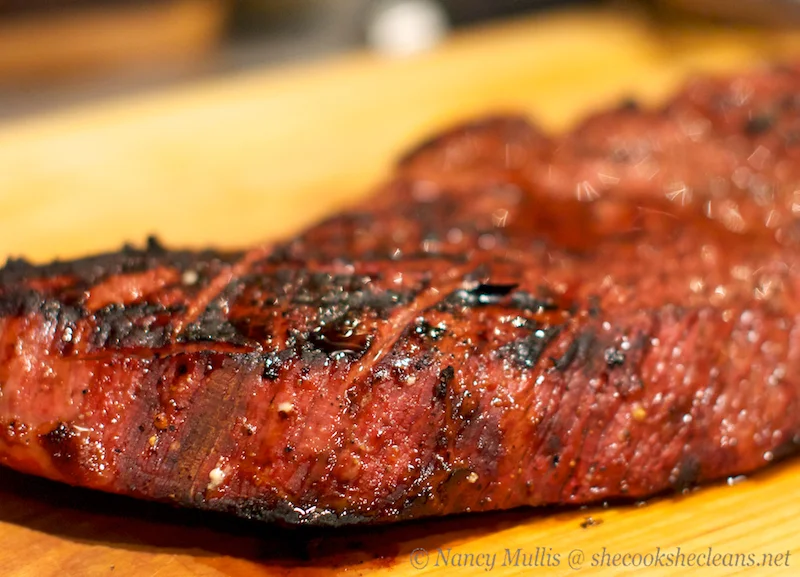
London Broil 101
London Broil is a wonderful, flavorful cut that loves marinade very well and makes a tasty beef jerky or bresaola.
While Foothills Meats does not frequently stock this cut of meat, feel free to ask about availability! London Broil is a wonderful, flavorful cut that loves marinade very well and makes a tasty beef jerky or bresaola. From the hind quarter of the animal, some argue that it’s not so much a defined cut of meat as it is a style of preparation. Best prepared on the grill or pan broiled and baked at high temperatures, it can be cooked to medium or medium well and remain juicy.
Ingredients for Skip-the-Steak-Sauce London Broil
4 pounds of London Broil
3 TBSP soy sauce
1 TBSP ketchup
1 TBSP vegetable oil
1 clove garlic, minced
1 tsp salt
½ tsp ground black pepper
½ tsp dried oregano
Preparation
In a small bowls, mix together soy sauce, ketchup, vegetable oil, garlic, salt, pepper, and oregano. Score both sides of the meat, diamond cut and 1/8 inch deep. Rub soy mixture into all sides of the steak, wrap tightly in aluminum foil, and refrigerate for 5-6 hours or overnight, turning every couple of hours.
Heat grill on high heat, and lightly oil the grate. Place meat on the prepared grill for 3 to 7 minutes per side for medium rare (135 degrees F, or 57 degrees C), or to desired degree of doneness. Let rest for 5 minutes once removed from heat.
Serve by slicing across the grain and garnishing with a sprig of parsley. Your guests will love it so much, they won’t need steak sauce.

How To: Cook Hanger Steak
The Hanger Steak is the only cut of meat sold by Foothills Meats that is not dry aged. It takes to marinades wonderfully and is great for grilling and pan broiling.
Prized for its flavor, the Hanger Steak is derived from the diaphragm of a steer or heifer. This cut is taken from the plate, or lower belly of the animal. The Hanger Steak is the only cut of meat sold by Foothills Meats that is not dry aged. It takes to marinades wonderfully and is great for grilling and pan broiling.
Ingredients for Succulent Hanger Steak
2 pounds of Hanger Steak
1 TBSP clarified butter
2/3 cup chicken broth
2 tsp balsamic vinegar
2 TBSP cold butter, cubed
salt and freshly ground black pepper to taste.
Preparation
Remove all silver skin and fat from steak. Carefully cut out the connective tissue that connects the two halves of the steak, separating the whole into two long pieces. Cut lobe of meat from one half (it’s the piece that is slightly separated from the larger half). Then cut each of the two larger halves into two steaks each, for a total of four steaks. Sprinkle with salt and pepper.
Heat skillet over high heat. Add clarified butter when pan is hot, then place steaks in the pan. Reduce heat to medium. Cook until browned on all sides. The meat is somewhat triangular in shape, so there may be more than two turns necessary. Total cook time is about 12 minutes, until center is reddish-pink in center (medium-rare). Temperature on a thermometer will be about 125 degrees F (52 degrees C) when steaks need to be removed from heat. Transfer to warm plate and tent with foil to let steaks rest and allow temperature to increase to 130 degrees F.
Pour stock into skillet set over medium heat. With wooden spoon (or other non-abrasive utensil) scrape up browned bits from bottom of pan. When the brownings dissolve and the liquid begins to reduce (2-3 minutes), reduce heat to low. Add accumulated juices from resting steaks, balsamic vinegar, and cold butter. Cook and stir until butter melts. If liquid has reduced too much, add a splash of broth. Add salt to taste if necessary.
To serve, slice steaks across the grain and spoon brownings reduction over them. Your guests will rave over this juicy, succulent meal.
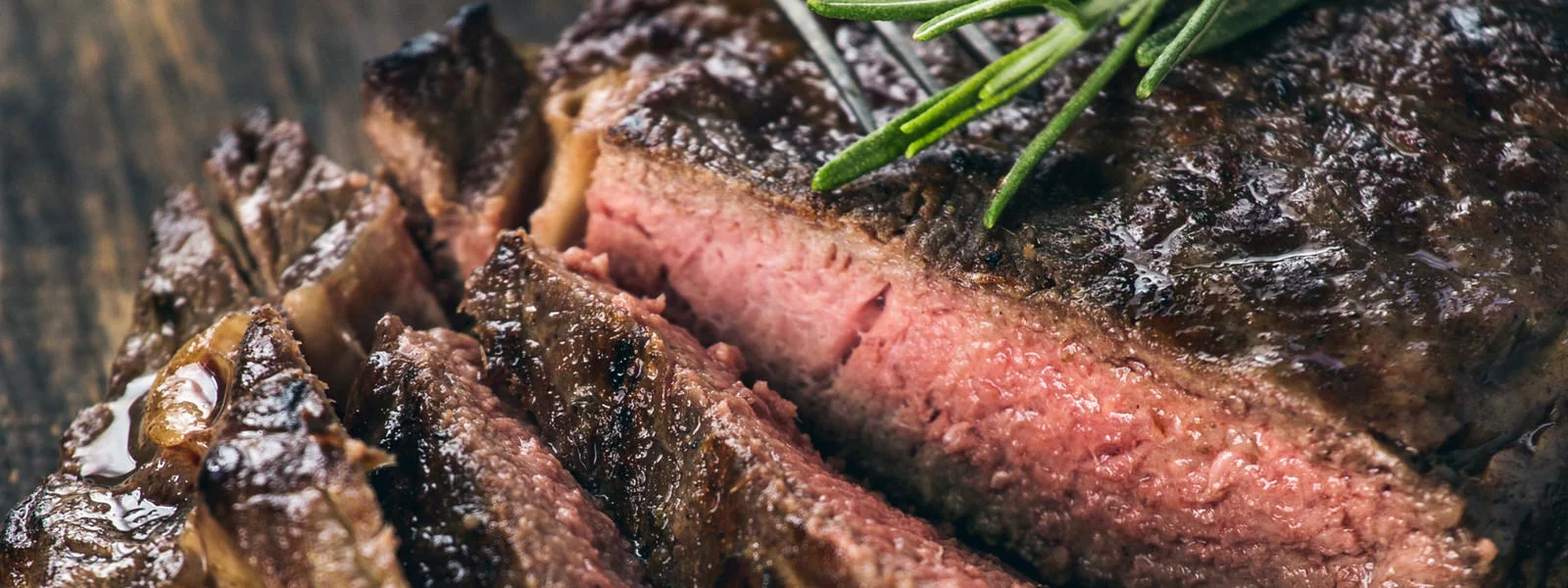
Fabulous Flank Steak
Flank Steak is great for tacos, fajitas, salads, and Chinese inspired dishes, so it’s not just about the grill with this nice cut of meat.
Flank Steak is another of the beef curtains from the hind quarter, and does well when pounded, jicarded, or acid juice is used for tenderizing. With a little more tooth than other flap cuts, Flank Steak cooks nicely with fast, dry heat, grilling, pan broiling, or baking at high temps. It is great in slow cooker recipes that have marinades and other liquid ingredients. Flank Steak is great for tacos, fajitas, salads, and Chinese inspired dishes, so it’s not just about the grill with this nice cut of meat.
Ingredients for Savory Mongolian Beef
1 ½ pounds Flank Steak
¼ cups cornstarch
2 TBSP olive oil
½ tsp minced garlic
¾ cups soy sauce
¾ cups water
¾ cups brown sugar
1 cup grated carrots
green onions, for garnish
Preparation
Cut flank steak into thin strips across the grain. In a re-sealable bag, combine Flank Steak pieces and cornstarch. Shake to coat.
In slow cooker, mix olive oil, minced garlic, soy sauce, water, brown sugar and carrots. Add coated Flank Steak and stir until coated in the sauce.
Cook on high for 2-3 hours or on low 4-5 hours until cooked throughout. Serve this fork-tender dish over rice and watch as your family devours it and asks for more.
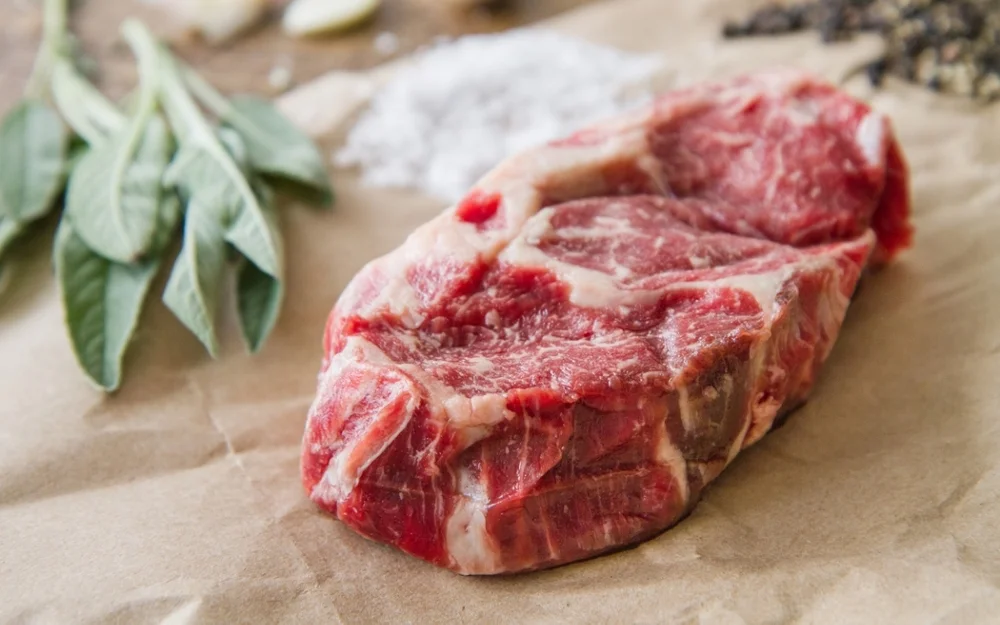
Ribeye Cap and Chuck Eye Steaks
What’s the difference between a Ribeye Cap Steak and a regular Ribeye? And what exactly is a Chuck Eye steak? Find out in this article.
What’s the difference between a Ribeye Cap Steak and a regular Ribeye? The cap muscle at the top end of the Ribeye is still attached. It lends support to the spine, though it’s not a weight bearing muscle, rendering it super tender and perhaps one of the best cuts of meat steak lovers crave. With marbling similar to the Ribeye, you get a juicy, melt-in-the-mouth steak you won’t be able to resist. Slightly more expensive than the Ribeye itself, it is well worth the added cost for this succulent cut.
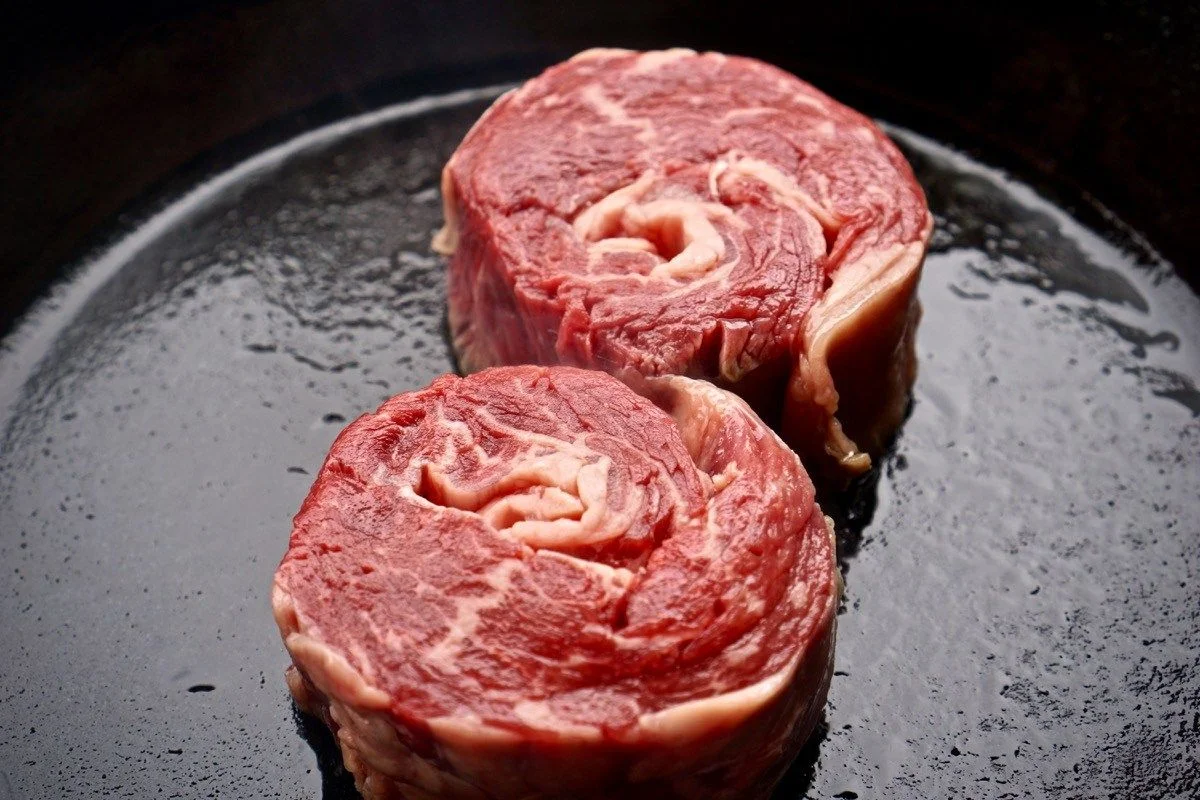
Ingredients for Pan-Seared Ribeye Cap Steak with Onions and Mushrooms
1 ½ to 2 lbs Ribeye Cap Steaks
4 TBSP butter (from pasture-raised cows), divided
Salt and fresh ground pepper to taste
3-4 white mushrooms, sliced
1 yellow onion, sliced into long strips
1 TBSP canola oil
Preparation
Season Ribeye Cap Steaks with salt and pepper to taste and let sit for 30 minutes to 1 hour on a plate at room temperature. Melt 2 TBSP butter in a pan over medium-high heat. Once melted, add steaks slowly. Cook 3-5 minutes each side, or until your desired level of doneness. Medium rare is a beautiful level of doneness for these steaks, which is about 135 degrees F (54 degrees C) by meat thermometer. Remove from heat, and let rest for 10-15 minutes on warm plate before serving to allow juices to lock in.
While resting the steaks, melt remaining 2 TBSP butter with 1 TBSP canola oil in pan. Once melted, add mushrooms and onions, and sautée over medium heat until soft and aromatic. Translucent onions will have no crunch, so cook to desired softness and top steaks with onions and mushrooms before serving.
The Chuck Eye Steak
Often called the “poor man’s Ribeye” due to a smaller price, the Chuck Eye Steak is a continuation of the Ribeye into the shoulder, or chuck, of the beef. Chuck Eyes have the same great flavor as the Ribeye and are almost as tender. Fabulous grilled or pan broiled, this steak is also referred to as a “Delmonico” steak.
Ingredients for Pan Seared Chuck Eye Steaks
1 ½ pounds Chuck Eye Steaks (about 2 steaks)
1 tsp Kosher salt
½ tsp freshly ground black pepper
2 TBSP olive oil
1 TBSP unsalted butter (pasture raised)
3 thyme sprigs
1 garlic clove, smashed
1 tsp coarse sea salt
Preparation
Season steaks on both sides with Kosher salt and pepper. Chill, uncovered, in the fridge for up to 8 hours, 1 hour minimum. Remove from fridge and let stand at room temp for 30 minutes.
Preheat oven to 450 degrees F (232 deg C). Heat oil in a 12-in cast iron skillet over medium-high. Carefully place steaks in oil and sear 3 minutes, each side. Place skillet in oven and cook to desired doneness, about 5 minutes for medium rare.
Remove from oven and tilt skillet to collect drippings at edge. Add butter, thyme, and garlic to drippings. Spoon mixture over steaks for 2 minutes. This yields a super tender, juicy steak. Rest steaks on plate or wire rack for 5 minutes. Thinly slice against the grain and sprinkle with sea salt. Serve to the delight and compliments from your dining companions, who’ll believe they’re eating a luxurious, expensive cut of meat despite how little you really paid.
The Power of Porterhouse
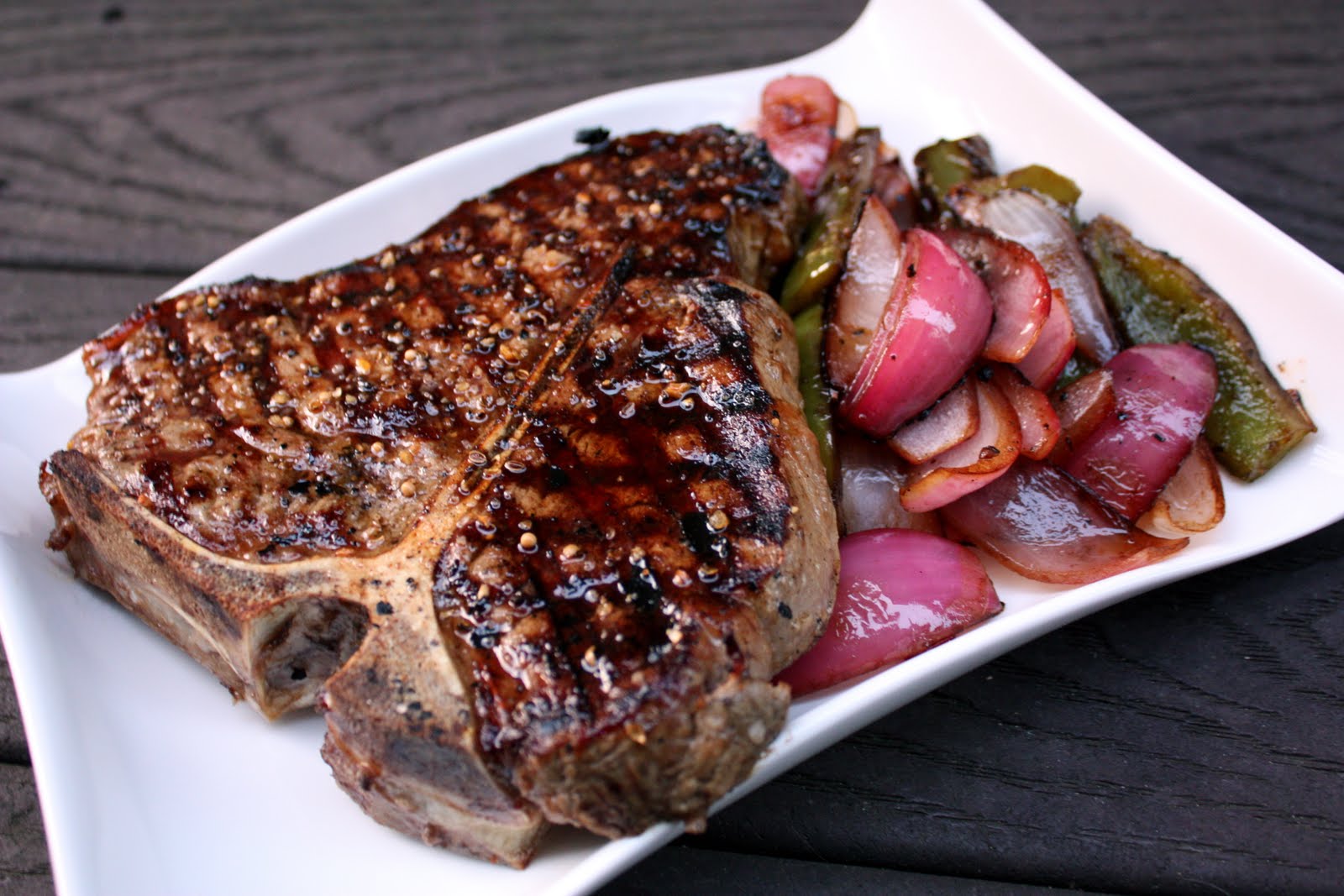
Just like the T-bone, the Porterhouse steak is a succulent cut of meat that contains both the New York Strip and the Tenderloin, but the difference is a distinctive one.
Just like the T-bone, the Porterhouse steak is a succulent cut of meat that contains both the New York Strip and the Tenderloin, but the difference is a distinctive one. The Porterhouse boasts a full Tenderloin steak opposite the NY Strip. The loin of the animal only produces 4-6 Porterhouse steaks before the Tenderloin becomes too small and must be classified as a T-bone. The USDA has strict regulations about how much meat belongs on a Porterhouse before it can no longer be called a Porterhouse. To qualify, the Tenderloin must be at least 1 ¼ inches thick. Anything less is a T-bone. With a hefty average of 20 to 24 oz of meat, the Porterhouse is often served as a meal for two.
Ingredients for a Mouthwatering Porterhouse Steak
20 oz Porterhouse steak
- 1 tsp olive oil
- 1 TBSP meat tenderizer
- 1 tsp of your favorite steak seasoning
Preparation
Coat steak lightly with olive oil, then rub in meat tenderizer on all sides. Sprinkle steak seasoning over meat, cover with plastic wrap, and let stand at room temperature for 20 minutes.
Preheat grill for high heat. When grill is hot, lightly oil grate. Unwrap steaks and place on grill for 3-5 minutes per side, to desired degree of doneness.
Some people believe the NY Strip side cooks better at a different temperature than the Tenderloin side. For this, build a flame only on one side of your grill. After searing the steak over high heat on both sides, move steak so the Strip side is over the flame, leaving the Tenderloin side over the non-flaming section. This leaves the Tenderloin slightly more rare, resulting in a better tasting steak.
Plate and serve to the oohs and aahs of your dinner companions.

The Prized Ribeye Steak
The ribeye steak is prized by backyard barbecue enthusiasts and executive chefs alike for its tender juiciness and richness of flavor.
The ribeye steak is prized by backyard barbecue enthusiasts and executive chefs alike for its tender juiciness and richness of flavor. From the rib section of the front quarter, this cut of meat can be prepared bone-in or boneless. Some intramuscular fat as well as fat deposits known as marbling give this steak its moisture, enabling it to withstand intense dry heat. The Cowboy Cut Ribeye is when the bone is left on and the rib-end of the bone is cleaned free of meat, requiring additional cooking time. At Foothills Meats, our ribeyes are boneless and presented as roasts in the retail case. We’ll be happy to cut them to your desired thickness.
Ingredients for an Amazing Ribeye Steak
4 (6 oz) Ribeye steaks
2 TBSP olive oil
salt and fresh ground black pepper to taste
8 cloves garlic, minced
- 4 sprigs fresh rosemary
Preparation
Preheat grill for high heat.
Rub each steak lightly with olive oil. Season with salt and pepper, and rub fresh garlic into both sides of Ribeye steaks. Let stand for 15 minutes.
Place steaks on preheated grill, turning after 30 seconds. This ensures searing on both sides. Place fresh rosemary sprig on top of each Ribeye steak. Cook for 5-7 minutes each side, or to desired doneness, remembering to remove the rosemary sprig before turning and replace.
How to Prepare Beef Tenderloin and Filet Mignon
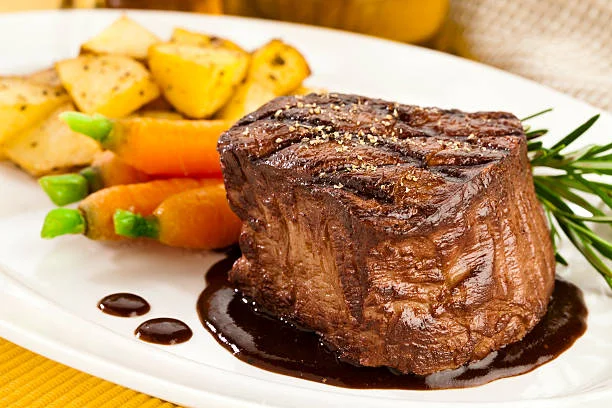
Located on the hindquarter, opposite the New York strip separated by the spine, the tenderloin has a low fat content and superior tenderness. It can be grilled or pan-broiled to perfect, melt-in-the-mouth doneness.
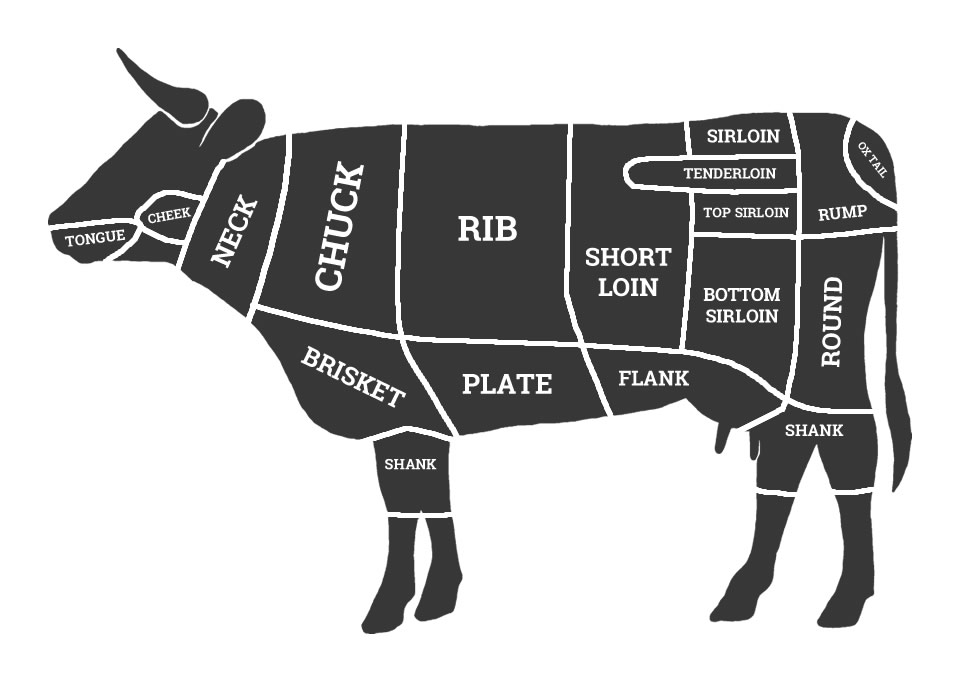
Comprising only 1% to 1.25% of the entire 880-pound weight of an average pasture-raised cow, the beef tenderloin is the most tender muscle available and is one of the most desired and expensive cuts of meat available on the market. Located on the hindquarter, opposite the New York strip separated by the spine, the tenderloin has a low fat content and superior tenderness. It can be grilled or pan-broiled to perfect, melt-in-the-mouth doneness.
Because of its scarcity and cost, we at Foothills Meats have it available at our meat counters but we encourage you to call ahead for availability! We also may include it from time to time in our Butcher's Choice Box subscription or in our Tier 2 Grill Box. We can also suggest similar cuts for your meal needs. In the meantime, here are two recipes that will help you perfectly prepare beef tenderloin or filet mignon. Enjoy!
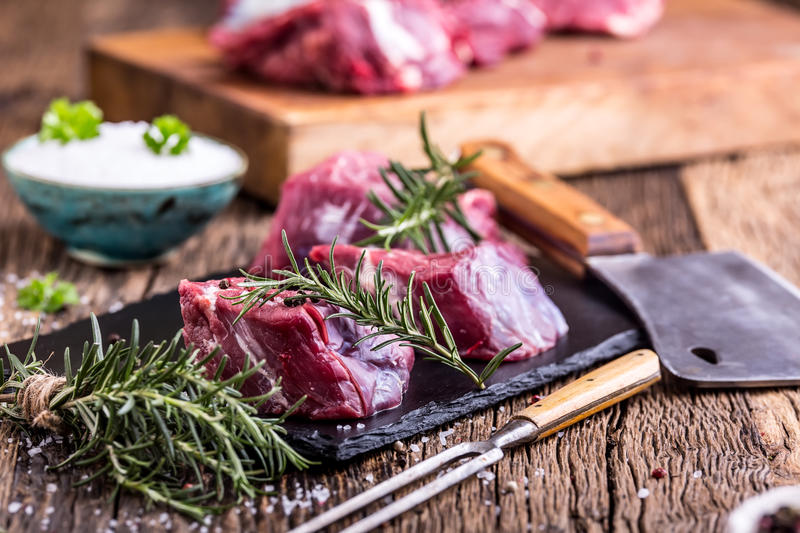
Ingredients for Garlic Pepper Herb Beef Tenderloin
1 whole beef tenderloin (approx. 5 lbs)
6 TBSP olive oil
- 8 large garlic cloves, minced
- 2 TBSP fresh rosemary, minced
- 1 TBSP dried thyme leaves
- 2 TBSP coarse ground black pepper
- 1 TBSP salt
Preparation
Trim excess fat with sharp knife, and fold thin tip under until both ends are approximately the same thickness. Bind with butcher’s twine every 1.5 to 2 inches. This helps the meat keep its shape. Snip silverskin with scissors to keep roast from bowing during cooking.
Mix oil, garlic, rosemary, thyme, pepper, and salt into a rub, and thoroughly coat meat.
Heat grill to high temperature, then lubricate grate with oil. The easiest way is an oil-coated rag and a pair of tongs. Do not oil grate before heating, as oil can potentially catch fire at high heat. Place beef on hot rack and close lid. Grill until well-seared, about 5 minutes. Turn meat and sear another 5 minutes.
Move meat to cool side of charcoal grill, or on a gas grill, turn burners off beneath the meat and reduce two burners on each side of meat (depending on style of grill) to medium heat. Cook until meat thermometer in thickest portion of meat reads 130 degrees F (54 degrees C), giving a rosy pink center, between 45-60 minutes depending on meat size and grill. Remove from heat and let rest 15 minutes before carving.
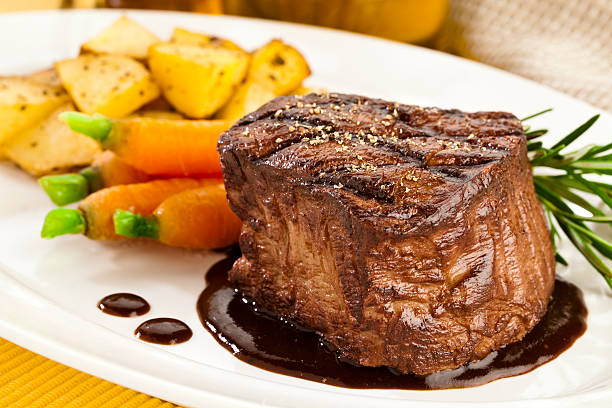
Ingredients for Balsalmic Glazed Filet Mignon
- 2 (4 oz) filet mignon steaks
- ½ tsp freshly ground black pepper
- salt to taste
- ¼ cup balsamic vinegar
- ¼ cup dry red wine
Preparation
Season both sides of steaks with salt and pepper to taste.
Heat a non-stick skillet to medium-high. Place steaks in hot pan to sear, 1 minute on each side or until browned. Reduce heat to medium-low and pour balsamic vinegar and dry red wine over steaks. Cover and cook for 4 minutes each side, basting meat with glaze when turning. Cook to rosy pink center, 130 degrees F (54 degrees C) via meat thermometer.
Remove from heat to two warmed plates and spoon a tablespoon of balsamic glaze over steaks. Serve immediately.

How to Cook The Perfect Bavette Steak
If done right, bavette steak can be quite the show-stopping, mouth-watering centerpiece of an excellent meal.
Bavette is the French word for flank steak, a highly flavorful, loosely textured flat cut of meat taken from the abdominal muscles of the cow. Bavette steaks had fallen out of popularity as supermarket meat counters outstripped traditional butchers, but as emphasis on pasture raised local meat sources grows, we’re proud to offer bavette steak to customers who believe as we do: healthy animals make healthy meat.
A bavette steak is a well-exercised cut of meat, especially from a pasture-raised cow, which means it can be pretty tough. As such, many recipes recommend marinating or braising to keep the meat moist and tender. The French believe the best method of cooking a bavette steak is to sear it, rendering a juicy, tender steak with a short cook time, 15 minutes max.
If done right, bavette steak can be quite the show-stopping, mouth-watering centerpiece of an excellent meal.

Ingredients for the Perfect Bavette Steak
1 ½ to 2 lb bavette steak
Coarse ground black pepper
Unrefined sea salt
2 TBSP tallow, or goose/duck fat (from pasture-raised animals)
1 TBSP butter (from pasture-raised cows)
Preparation
Bring bavette steak to room temperature and pat dry with paper towel.
You’ll need a searing hot, heavy based pan such as a cast iron skillet, or a griddle.
Method 1:
Create a crust by liberally coating the meat with coarse ground black pepper and sea salt. Be generous. Combine the tallow with the butter in the hot pan. The tallow will prevent the butter burning, though a vent hood is a good idea at this stage. Just as the tallow/butter combination seems it will begin smoking, lay the bavette steak in the pan to sear on either side for 3-7 minutes depending on your preferred doneness.
Method 2:
Season the meat to taste with salt and pepper, and then coat with a thin layer of the goose/duck fat to create the meat’s crust. Lay the bavette steak into the searing hot pan. Turn the steak only once after a rich, golden crust has formed. Once crust has formed on both sides, reduce heat to medium and cook 3-4 minutes each side for rare. Finish by adding the butter when frying or on the griddle.
Use of a meat thermometer tells when the desired doneness is reached:
Rare = 120F
Medium Rare = 125F
Medium = 130F
For those who swear by the thumbprint method, rare is still soft with very little spring-back. Medium rare is still soft with a little spring-back, and medium is very little soft with more spring-back.
NOTE: Do not cook the bavette beyond medium as it will continue to cook when taken off the heat source.
Remove the bavette from the pan and let sit for a minimum of 5 minutes, more likely 10, before carving. This allows the juices to run through the steak longer rather than escaping, keeping it tender and juicy. Slice in strips across the grain for serving, much to the delight of your dinner companions.
